

Some see the mining of bitcoin as a hobby. Others see in this lesson a profitable business or a way to get profit. To evaluate the profitability of miner hardware, you need to compare the cost of electricity, device and some fees. Sometimes it turns out that to buy coins is more profitable. We will cover all this in more detail in this review.
What is an ASIC Bitcoin Miner?
ASIC stands for the application-specific integrated circuit. These schemes do not perform general functions but act only in a strict framework to solve a specific problem. Therefore, to mine the Bitcoin through ASICs is chip then using another Bitcoin mining hardware.
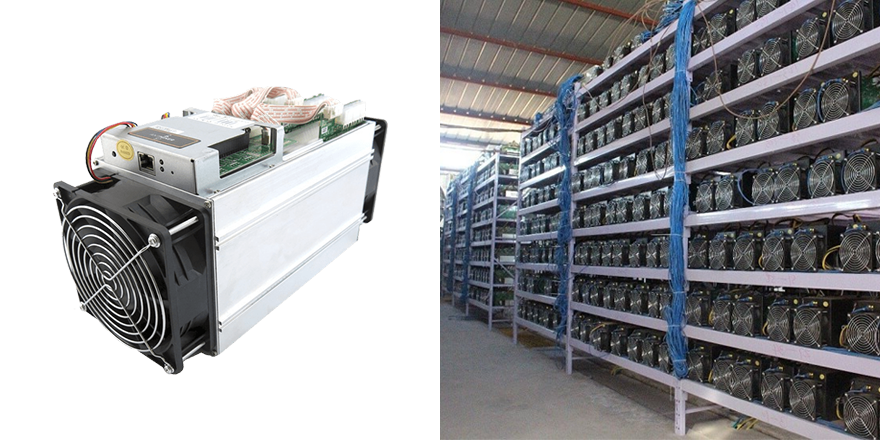
Initially, crypto enthusiasts could receive Bitcoin with computer help. Mining is the award of aggregate mathematical problems using specialized powerful miners hardware and software.
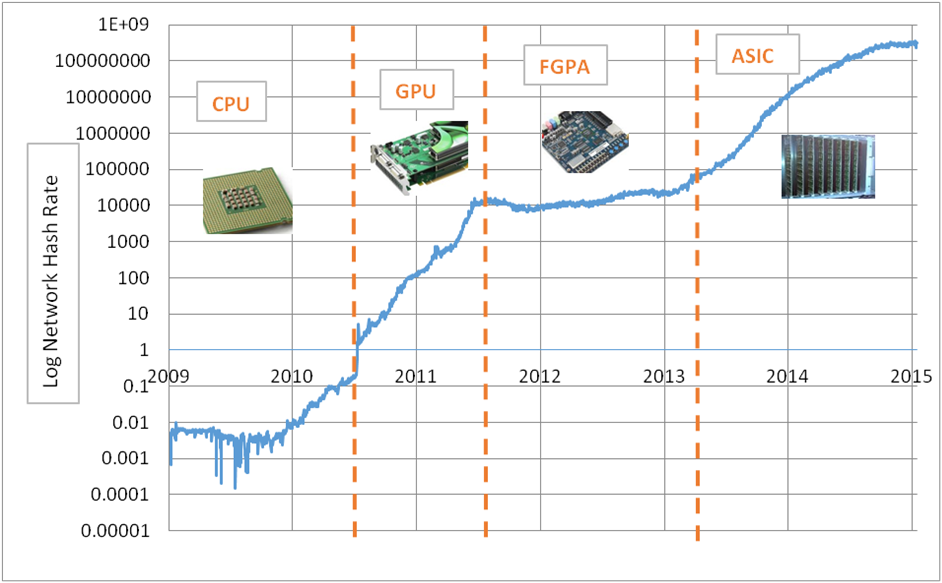
Then they started to use graphic processors and FPGA (field-programmable gate array), but soon they also ceased to be quite useful. ASIC miner is the best bitcoin miner of the latest generation. It provides a higher cryptocurrency mining speed, the machine heats less and consumes less electricity than ever – the newest hydro-cooled chips have pushed efficiency down to roughly 9-10 J/TH, about ten times better than the Antminer S9 that was popular just a few years ago.
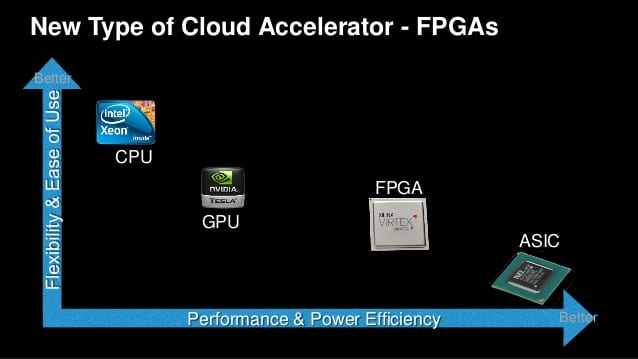
You can try mining through the computer, but only as a hobby or to understand how this process occurs. The hash power (computing power) and the hash rate of conventional computers are significantly lower – by many orders of magnitude – than a modern mining rig.
Hardware Profitability Factors
Best miners should be profitable. New machines should cover the prices you pay for them. Moreover, the Bitcoins received must have more high values than the electricity spent on their production.

To calculate the worth of all factors, you need to make a comparison. The difficulty is that the value of BTC is continuously changing, and network difficulty (currently around 127 T, with total network hashrate near 900 EH/s) keeps climbing too. Before you buy mining rigs, make a simple calculator:
- Hashing rate
- A bitcoin sale price
- Power consumption
- How much USD a participant needs to pay per month for current
- The number of coins you get per month (remember the block reward is now 3.125 BTC after the 2024 halving, not 6.25)
How to Find the Best Bitcoin Miner
To choose the best Bitcoin mining chip, first, a client should to find out which is the most powerful of the miners accessible. Best Bitcoin mining hardware has the following features:
- Most significant hash rate will permit to get more currency.
- Effectiveness is expressed in how much electricity is required to get a certain sum of coins (measured in J/TH). Currently, the most effective hardware is hydro-cooled ASIC hardware.
- The price of the fastest equipment cannot be low or average – flagship hydro units currently sell for around $25-30 per TH from the manufacturer. The lower the cost, the smaller the efficiency (you may even go negative).
- Beware of scam on the mart. Trusted manufacturers can be sold on eBay or Amazon, but the safest route is buying directly from the manufacturer’s own store. Before buying, check all the details about graphics and setup.
Bitcoin Mining Hardware Companies
Even a used hash miner may be beneficial to you. Check out modern ASIC Bitcoin miners such as the Antminer S21 XP or the Whatsminer M63S.
In addition to high speed, manufacturers must provide a low hash price. It means that the performance of the facility will be high.
Here are reliable brands to watch out for. Note that some names from earlier editions of this guide – Halong Mining, Innosilicon, GMO Internet, Zhejiang Ebang, and Bitfury’s own ASIC line – have effectively disappeared from the current top-seller lists, so we’ve replaced them below with the manufacturers who actually dominate the market today.
Bitmain technologies

This brand is created in China and produces reliable Bitcoin ASIC chips. The most popular among devices is Bitmain Antminer, whose current flagships (Antminer S21 XP, S23 Air, S23 Hyd) hold roughly 50-65% of the global ASIC market. Besides Bitcoin, the company’s hardware can mine Litecoin and Dogecoin (via the Antminer L9), and the company owns one of the largest Bitcoin pools, Antpool.
Canaan creative

It is a famous Chinese apparatus brand that started with FPGA. As technology stepped forward, the company released its own ASIC chip line, AvalonMiner – today spanning compact home units (Avalon Q, Avalon Mini 3) through industrial hydro machines (Avalon A15 Pro). The market share held by the brand is currently about 5-10%.
MicroBT (Whatsminer)

MicroBT has grown into Bitmain’s most serious competitor, now holding an estimated 20-30% of the market with its Whatsminer line. The company entered the market in the 2010s but has become a genuine second-place challenger, known for durability and competitive pricing. Its hydro-cooled M63S series – around 390 TH/s at roughly 18.5 J/TH – regularly trades places with Bitmain’s flagships in efficiency rankings.
Bitdeer technology

A newer, fast-rising entrant, listed on Nasdaq. The company designs its own SEAL chip and sells it in SEALMINER hardware, alongside running large-scale mining sites of its own. Its hydro-cooled SEALMINER A4 series (up to roughly 886 TH/s at 9.45 J/TH) now competes directly with Bitmain and MicroBT’s best efficiency figures.
Bitcoin USB Miners Comparison
Compact, low-power miners are not high-performance equipment. This type of device only helps you understand the principle of coin mining. The USB miners from earlier editions of this guide (Block Erupter, GekkoScience, Avalon Nano, Antrouter, “21 Bitcoin Computer”) are all long discontinued and, at today’s difficulty, would take years to find a single share on their own – they exist now only as collectors’ items. If you want the modern, current-generation equivalent of a hobby miner, these are the realistic options:
Bitaxe Gamma
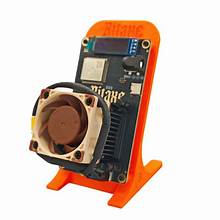
An open-source, single-chip solo miner drawing under 20W, quiet enough for a desk. It won’t make you rich, but it’s the modern successor to the old USB Block Erupter for anyone who just wants to run their own hardware.
Canaan Avalon Q/Avalon Mini 3
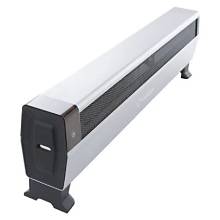
Compact home-friendly ASICs that plug into a normal wall socket. They can realistically produce a small, non-trivial amount of BTC when pointed at a pool, though they won’t recoup a residential electricity bill quickly at today’s difficulty.
None of these will make a home miner rich – at current difficulty, meaningful profit requires industrial scale and cheap electricity, generally well under $0.07/kWh.
Antminer S21 XP vs. Whatsminer M63S
In 2026, the most efficient air-cooled Bitcoin miner is the Bitmain Antminer S21 XP. The manufacturer supplies a 270 TH/s machine. Few air-cooled units can match this indicator.
Using the Antminer S21 XP, you also save energy: it needs only about 13.5 J/TH. The MicroBT Whatsminer M63S, by comparison, runs closer to 18.5 J/TH but reaches a higher raw hashrate of around 390 TH/s and requires hydro cooling to hit that figure.
The bonus for both machines is firmware-level tuning – modern firmware (such as LuxOS on Bitmain and MicroBT units) lets operators under- or overclock a fleet to chase efficiency or raw output depending on power price, similar in spirit to what the ASICBOOST trick once did for older hardware.
Now comparing electricity consumption, the difference seems like a slight advantage for the S21 XP. But if you intend to mine coins in pro volumes, you will feel the savings. Returns to the price of electricity: even if it is high, both ASIC installations can still bring you profit if your power cost is well below the going hashprice.
Bitmain Antminer S19 XP
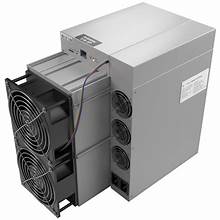
Released in 2022, the Antminer S19 XP is now the budget/legacy option – the modern equivalent of the old Antminer S7 in this guide. The BM1362 ASIC chip and multiple cooling fans are integrated into the metal case. The manufacturer recommends a matching high-wattage power supply.
Pros:
- The hash rate is around 140-150 TH/s;
- Efficiency is about 21.5 J/TH – dated by 2026 standards, but usable;
- Equipment is available cheaply on the secondary market;
- There are many instructions on working with the S19 XP available, since it’s still a widely-deployed unit;
- Easy to buy spare parts if necessary.
Cons:
- The S19 XP is far less capable than the modern S21/S23 series;
- High energy costs relative to newer hardware await you;
- You need cheap electricity to see any margin at today’s hashprice;
- Noise during operation exceeds the average for a home environment.
Currently, even accounting only for electricity (not the device cost), this equipment sits close to breakeven for most buyers. Only cheap power or a bitcoin price rally makes this hardware clearly worthwhile again.
Bitmain Antminer S9
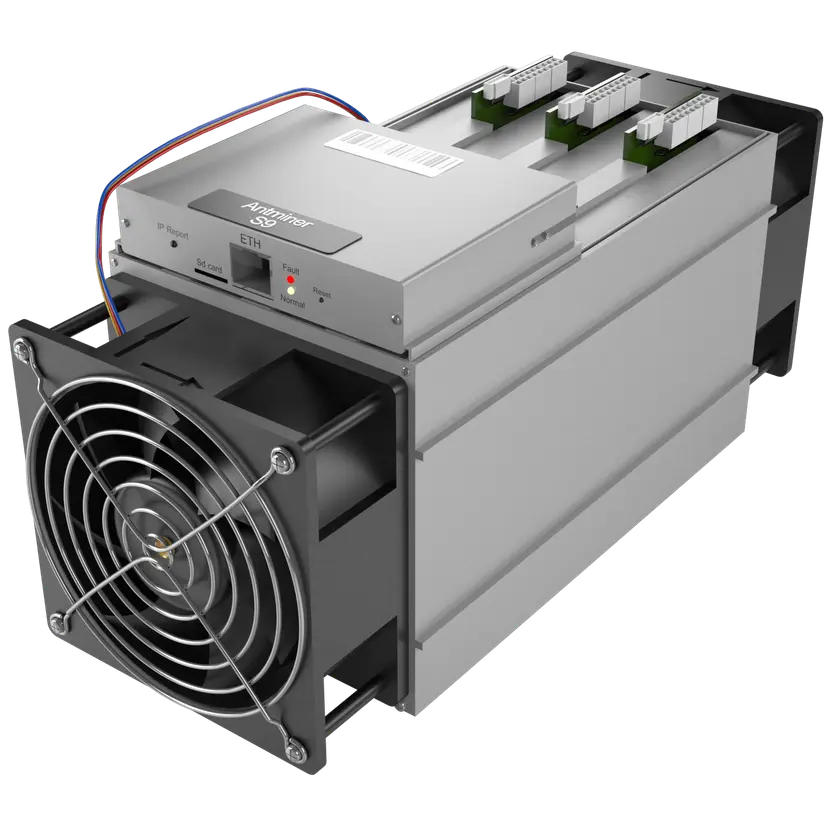
Now the equivalent of the old Antminer S5 in this guide: hardware first released back in 2016 that loses much in power to modern devices. The Antminer S9 consumes around 1,300-1,450W and does not require the exotic power infrastructure newer flagships need. Using only this mechanism, you will not get coins — the user still needs special software and membership in a large Bitcoin pool.
Pros:
- Very low secondhand cost of the device;
- Simple to configure and suitable for newbies who just want to see mining software run;
- Plentiful spare parts and community documentation, since it was produced for years.
Cons:
- The sound from the exploitation of the device is above average;
- Efficiency (around 98 J/TH) is roughly ten times worse than a current flagship;
- Very low hash rate by today’s standards (around 13-14 TH/s).
Even in the case of a sharp jump in the cost of Bitcoin, you are unlikely to get positive results running this today. It’s suitable only for training or as a collector’s piece.
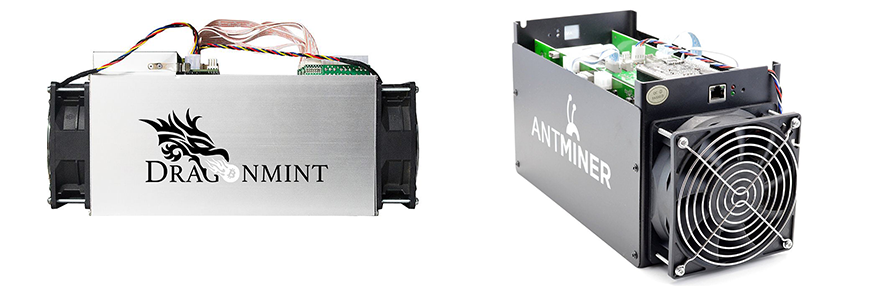
Halong Mining DragonMint T1
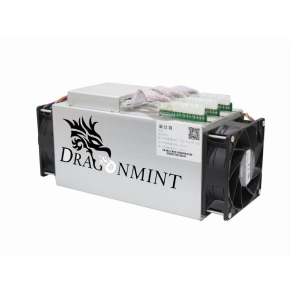
The brand was first introduced in 2018 with big ambitions and roughly $30 million spent on R&D, but Halong Mining has since exited the ASIC business entirely — the DragonMint T1 was discontinued not long after launch. The device has compact dimensions and a metal case. If someone likes rarity, they may still find this miner on eBay for a modest price, purely as a collector’s item.
Pros:
- The miner works with any power supplies;
- Historically one of the cheapest miners on the secondhand market;A working device emits little noise;
- Even a novice can easily configure a simple user interface.
Minuses:
- The device has a very low hash rate compared to modern standards (accordingly, efficiency suffers badly);
- The manufacturer no longer exists, so there is no firmware support, warranty, or spare-parts pipeline;
- During operation, the case becomes very hot;
- Only useful as a collector’s piece today, not a working investment.
In general, this installation provides essentially zero realistic profitability in 2026. It’s a piece of mining history, not a working investment.
Antminer S23 Hyd
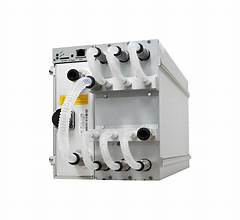
Bitmain’s current flagship, the Antminer S23 Hyd, is the direct successor to the old DragonMint 16T’s “most powerful and profitable” title from this guide’s earlier editions. Today, this hydro-cooled miner is the most efficient production Bitcoin miner on the market.
The hash rate is around 580 TH/s. Efficiency sits at roughly 9.5 J/TH — about ten times better than the Antminer S9’s 98 J/TH, and noticeably ahead of even the air-cooled S21 XP.
Bitmain’s even larger U3S23H pushes this further, to about 1,160 TH/s at the same 9.5 J/TH, but at roughly $30 per TH it’s really an industrial-scale purchase, not a home setup.
Pros:
- Test launches confirm the miner is developing close to its declared speed and is highly efficient;
- It is possible to work with standard industrial voltage;
- You will get the lowest possible energy consumption per TH from all currently available Bitmain options.
- You can buy both one device and several at a time – there are no restrictions on order volume.
Minuses:
- The price is too high for an ordinary hobbyist – this is squarely industrial-scale hardware;
- To start, the user needs a proper hydro-cooling loop, which is not cheap to build;
- Power consumption is high in absolute terms, even if efficiency per TH is excellent;
- The device works at full strength only with a matching, properly-sized cooling infrastructure.
At current hashprice (roughly $31-32 per PH/s/day as of mid-August 2026), the average projected daily income from a single S23 Hyd unit is in the range of $15-20, before electricity costs, depending on exact configuration and luck.
Best Bitcoin Miners for 2026
Given a great number of mining facilities, we understand how difficult it is to opt for any one installation. The buyer needs to focus primarily on high efficiency (and, of course, the price he can afford to pay for equipment). But consider the cost of paying for electricity – in most cases, you will lose roughly half of your income or so to cover your bills.
In this review, we will look at three of the most popular and cost-effective options for 2026.
Antminer S21 XP
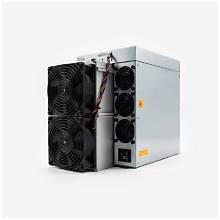
Bitmain’s air-cooled flagship. The hashrate is 270 TH/s at roughly 13.5 J/TH — the best air-cooled efficiency figure currently on the market. At current hashprice, this yields roughly $20 per day in gross revenue, before electricity. You can run this without a hydro-cooling loop, which makes it the most accessible top-tier option.
MicroBT Whatsminer M63S
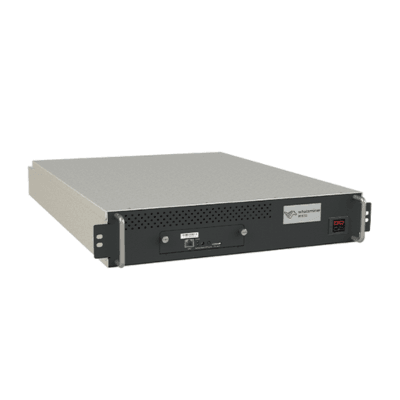
The hash rate of this miner is higher than the S21 XP’s, at around 390 TH/s, though efficiency (about 18.5 J/TH) trails the newest hydro-cooled models. It requires a hydro-cooling loop and roughly 7,200W of power. This combination is still solidly profitable at current hashprice for operators with sub-$0.07/kWh power, and it’s the strongest non-Bitmain alternative on the market.
Bitdeer SEALMINER A4 Ultra Hydro
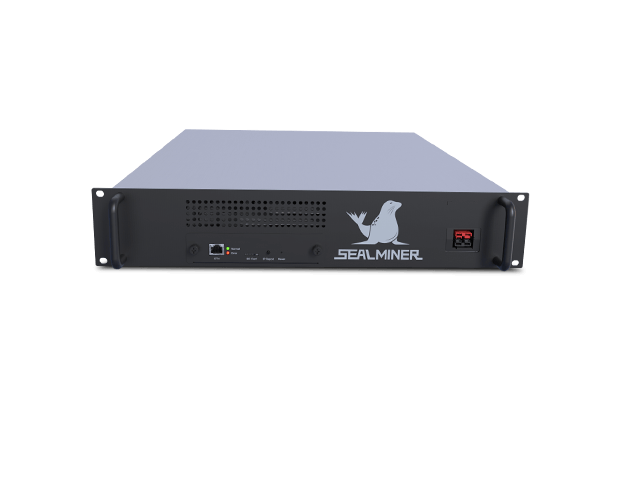
The newest of the three, built on Bitdeer’s own SEAL chip. The hash rate is at the right level and amounts to around 886 TH/s at roughly 9.45 J/TH – matching or beating Bitmain and MicroBT’s best hydro figures. As with the S23 Hyd, this is squarely industrial-scale hardware, not a home setup, but it’s a sign that the “big two” no longer have the efficiency race entirely to themselves.
What are Coin Mining Pools?
In the article, we mentioned Bitcoin pools several times. It is time to clarify what it is in more detail.
Beginners who are just trying to get coins would not be able to achieve at least some results due to intense competition. Therefore, they have only one way out – this is to combine their efforts. Such an association in the Bitcoin society is called pool.
Even the most modern potent facilities will not provide anyone with the same power as professional data centers, which include many special (expensive) pieces of equipment.
If the pool won the race for coins, all revenue is distributed among the participants in proportion to their contribution. The standard membership fee is 0-2.5% depending on the payout method chosen (FPPS being the most common today). Now several large pools control the situation – Foundry USA and AntPool are the two biggest by hashrate share, followed by ViaBTC, F2Pool and SpiderPool. Due to a large number of participants, the revenue of each of them will not be as significant as we would like.
To receive and store your bitcoins you have to know which bitcoin wallet to use better.
Is Bitcoin Mining Still Profitable?

For practical mining of Bitcoins, each member needs not only a specialized installation but also additional equipment:
- Individual power supplies allow more efficient use of electricity. If the old models of miners could be connected directly to the outlet, then the new top equipment – especially hydro-cooled units – will not even turn on without a proper power source and cooling loop.
- Cooling systems (fans for air-cooled units, or a full hydro loop for the newest flagships) allow mining units to run smoothly. In the case of overheating, the machine switches off spontaneously.
- Standby generators are needed to secure the primary source of electricity.
People may get significant profit from mining Bitcoins if they have a modern ASIC installation and cheap electricity. The situation changes daily due to the floating rate of Bitcoin and the still-climbing network difficulty – as of mid-August 2026, hashprice sits at roughly $31-32 per PH/s/day, which is close to breakeven for anyone paying more than about $0.07-0.08/kWh.
Conclusion
Today on the market there are only a few advantageous offers among miners, and the field has consolidated hard around Bitmain, MicroBT and Canaan, with Bitdeer emerging as a genuine fourth challenger. If the price of Bitcoin rises, most likely, more and more new manufacturers will begin to develop and offer their versions of mining installations. And an increase in supply will entail a reduction in prices. Then more players will be able to join the Bitcoin network.